

Development is key for your career and personal life.
Development is key for your career and personal life.
Never stop learning. Lifelong learners have a high probability of being able to achieve the goals they set for themselves. Seven Stones takes an in-depth look at the topics of learning, development, and growth.

A Change in Perspective
Last week, while vacationing in Lake Tahoe, I was reminded of just how much perspective matters.
As we explored the lake, we traveled several times along the Nevada side of Tahoe on U.S. Route 50. Along the way, the road passes through tunnels carved into a large rock formation. We drove through them, noticed them briefly, and kept going. They were simply part of the journey to our next destination.

Get Out of Your Head
I was recently playing pickleball in an advanced beginner league. For the most part, the players are at about the same level. Some are slightly better, some slightly less experienced, but overall, the games are competitive.
There is, however, one woman who is head and shoulders above many of the other players. Maybe she is more than an “advanced beginner”?

It’s Almost September. Do You Know Where Your Goals Are?
Do you remember the public service announcements of the 1960s and ’70s? “It’s 10 p.m. Do you know where your children are?”

Dig Deep, Do Something Hard
I was at the gym recently, nearing the end of a particularly challenging exercise. With about 30 seconds left, the coach called out, “Dig deep and take it up to the next level.”

Forget Balance, Manage the Chaos
Early in my career, I thought I could “have it all.” I graduated with an accounting degree, joined Touche Ross (now Deloitte), got married, bought a home, and fully expected to continue climbing the career ladder. Then I had a baby.

Your Future Self Is Counting on the Habits You Build Today
Imagine meeting your 80-year-old self. What would you hope that person could still do? Travel? Hike through a national park? Play pickleball? Volunteer at church? Chase grandchildren around the backyard? Now ask yourself a different question. What are you doing today to make that future possible?

Balancing High Achievement
High achievers are goal-oriented, driven, and committed to excellence. They set high standards for themselves, embrace challenges, and have an incredible ability to persevere through obstacles. These qualities often lead to successful careers, thriving businesses, and meaningful accomplishments.

The Power of Purpose
So today, pause for a few moments. Reflect on your gifts, your passions, and the difference you hope to make. Your purpose has likely been speaking to you all along. The question is not whether you have one. The question is whether you are living it.

Optimism Is a Leadership Skill
When people hear the word optimism, they often think of positive thinking or simply looking on the bright side, but true optimism is much deeper. In emotional intelligence, optimism is the ability to remain hopeful and resilient despite setbacks, uncertainty, and challenges.

Posture is Everything
Good posture is about much more than standing up straight. It communicates three powerful qualities that influence how we lead, work, and interact with others: intention, readiness, and focus.

Stress Tolerance is Built, Not Born
Some people appear to handle pressure effortlessly. They remain calm during difficult conversations, manage multiple priorities, and navigate uncertainty with confidence. It is easy to assume these individuals simply do not experience stress but the truth is quite different.

Flexibility Is Not Giving Up, It Is Moving Forward
One of the most overlooked emotional intelligence skills is flexibility. Flexibility is not about abandoning goals or lowering expectations. It is the ability to adapt our thoughts, behaviors, and emotions when circumstances change.

Stick to Your Knitting
Sticking to your knitting does not mean becoming stagnant. It means growing in ways that leverage your strengths, serve your customers, and support your business's long-term success. Success is often found not in abandoning your knitting, but in discovering new patterns you can create with the skills you already have.
Don’t Let Growth Erode What Made you Successful
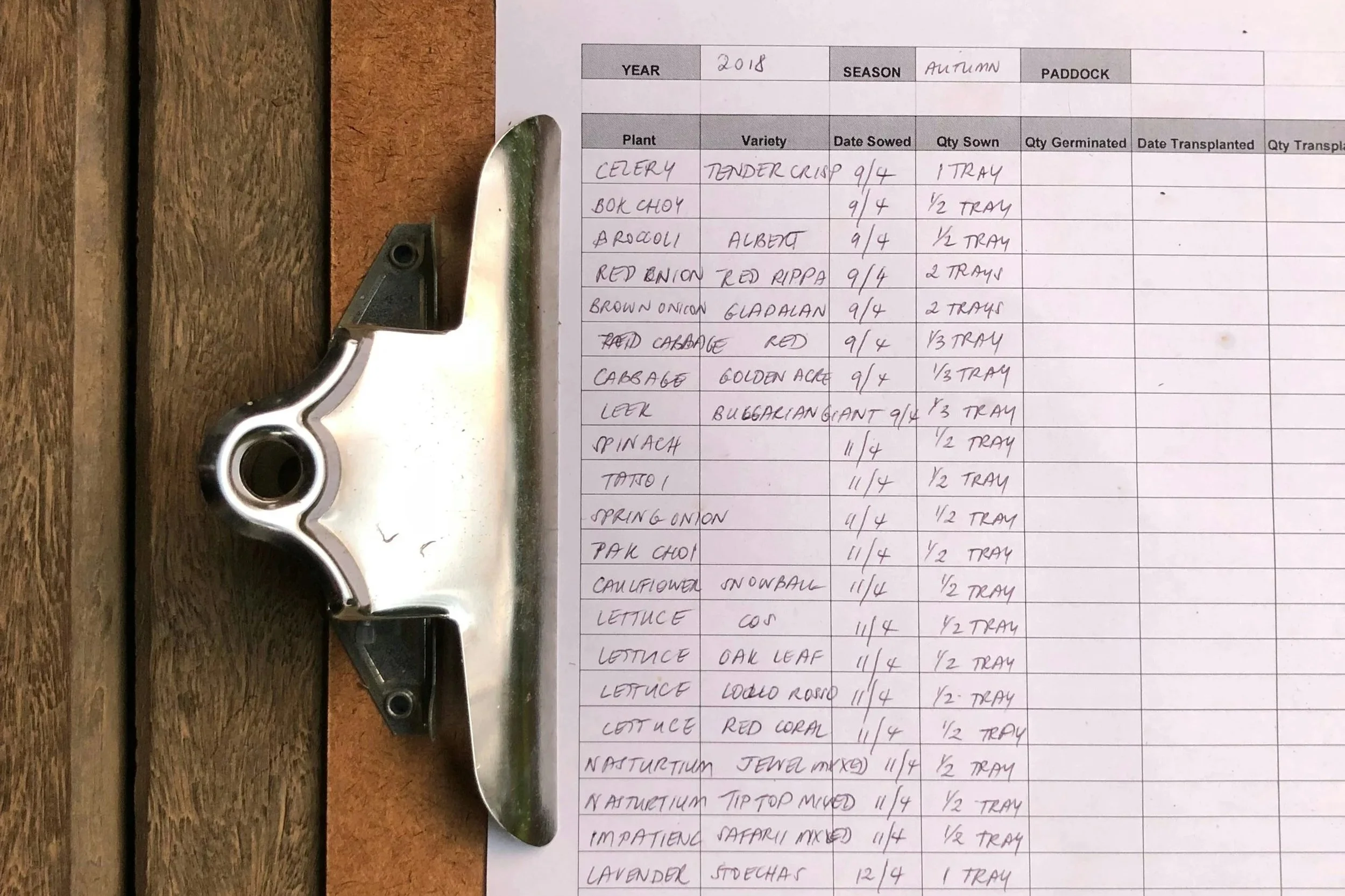
Growth is exciting. It is often the result of hard work, smart decisions, and a commitment to serving customers well. New locations open, services expand, and additional employees join the team. From the outside, growth looks like success. From the inside, however, growth can feel more like a sprint.

What Happened to my Positivity?
Sometimes negativity does not arrive dramatically. It slowly settles in and eventually begins to feel normal. You assume feeling discouraged, cynical, or defeated is simply “the way you are” at the moment.

Patience is Not Passive
We often think of patience as passive, as if it means sitting still and simply tolerating circumstances. But I am being reminded that patience is actually very active. It requires discipline, focus, resilience, and trust.

Reality Testing: Taking Off the Rose Colored Glasses
When you strengthen your ability to see clearly, you make better decisions. You respond more effectively to challenges. And you lead with greater confidence and consistency.
Creating Space Between Reaction and Response
It is easy to move quickly, especially when emotions are running high. However, one of the most valuable leadership skills you can develop is the ability to create space between your initial reaction and your ultimate response.

I Failed. Now What?
In leadership, failure requires action. When something does not go as planned, how you respond matters as much as what happened. So, what do you do when you realize you or your team have failed?

When Emotions Stall Problem Solving
Leaders who struggle to process emotions effectively often experience decision paralysis. They may sense tension, uncertainty, or competing perspectives but lack the clarity to move forward. This can show up as hesitation, overanalysis, or constantly revisiting the same issue without resolution. To others, this reads as indecisive or unsure, even when the leader is genuinely trying to make the “right” choice.
